1. Build one schedule for every room
Create a room-by-room list and give every item a reference number. Include the website model, quantity, required dimensions and finish direction. This becomes the working document for quotation, approval and packing.
- Living room and reception
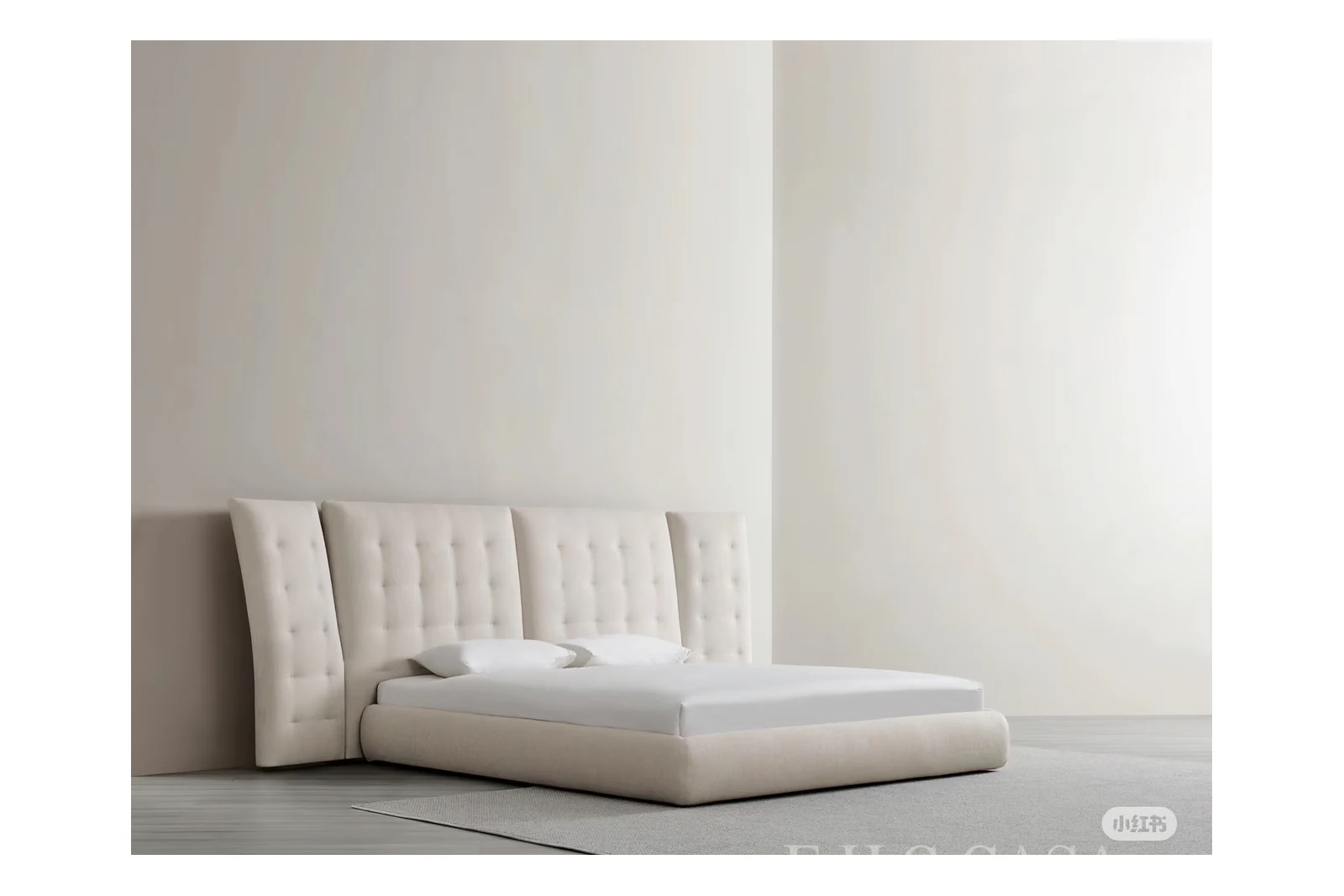
- Bedrooms and mattresses
- Dining room
- Entryway and storage
- Loose furniture for additional spaces
2. Coordinate finishes without making them identical
A coordinated project does not require every item to use the same material. Instead, identify a controlled palette for upholstery, timber tone, stone direction and metal finish, then confirm what is available for each selected model.
- Primary and secondary upholstery colours
- Timber or veneer direction
- Stone or top-surface direction
- Metal and hardware finish
3. Separate custom products from standard products
Customization differs by category and model. Sofas, beds and selected casegoods may offer project options, while the recliner collection uses standard specifications and permits colour selection only. Mattresses follow their individual model specifications.
- Record which fields are customizable
- Do not copy one category specification to another
- Confirm each model before approval
- Keep revised specifications version-controlled
4. Plan packing and mixed loading after approval
Final container planning should use the packed volume of approved items. If the project combines several categories, the loading plan can then balance larger upholstered pieces with tables, chairs and storage products.
- Approved quantity list
- Confirmed packed dimensions or volume
- Fragile-surface protection requirements
- Carton marks grouped by room or item number
5. Send one clear enquiry
Send the product schedule, destination and required timing in one enquiry. We will identify missing details and prepare the quotation around confirmed models and specifications.